


-

What is included in a FULL Home Inspection?
What do you get for your hard-earned money? At Home Inspector M.D., we believe your home deserves undivided attention. That’s why we focus only on you for the entire day, rather than rushing through multiple inspections.
We provide a comprehensive, top-to-bottom evaluation. Every inspection is a visual assessment of the home’s vital systems, with a strict focus on SAFETY and FUNCTION.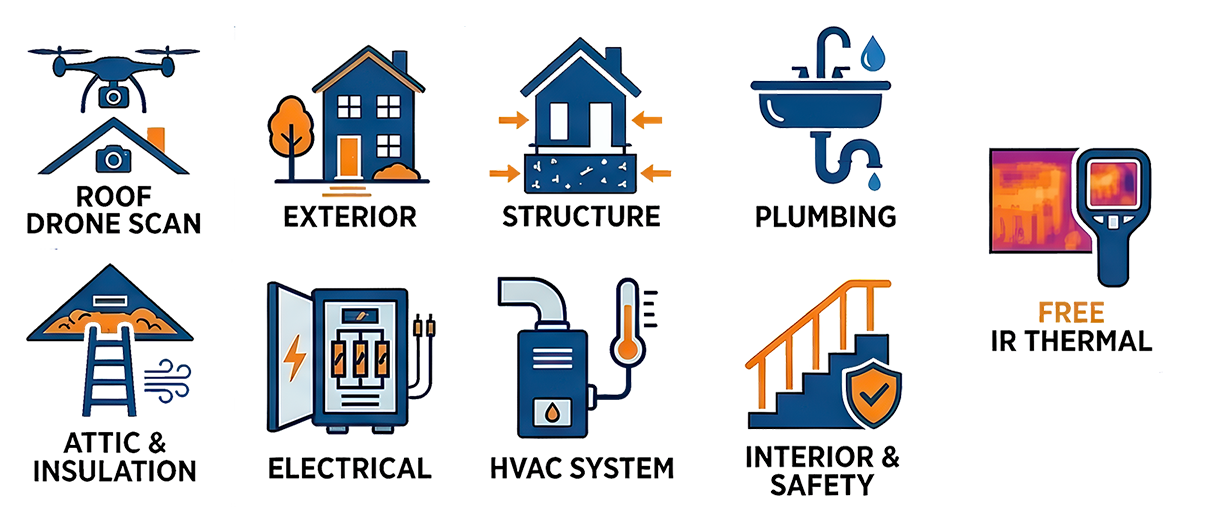
Roof
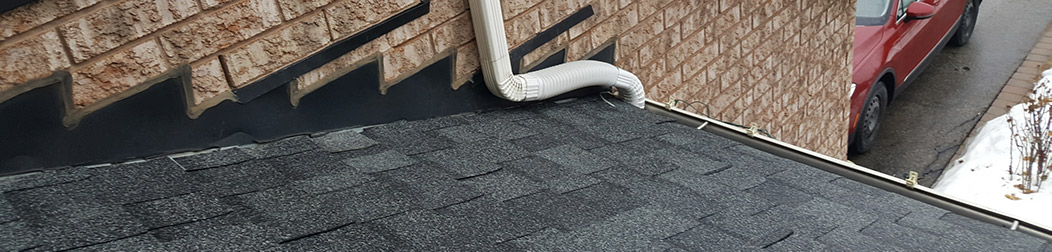
We typically arrive 15–20 minutes early to begin the roof assessment. We perform a visual inspection of the roofing material, flashing, and penetrations such as chimneys, ventilation systems, and plumbing stacks.
- Access: We walk the roofs of bungalows. For safety, homes two stories or higher, we utilize a drone to inspect the roof surface. We may also use an extension pole camera to visually access critical areas. Note: Drones cannot be flown in extreme weather (high winds, rain/snow, or extreme cold).
-
Exterior
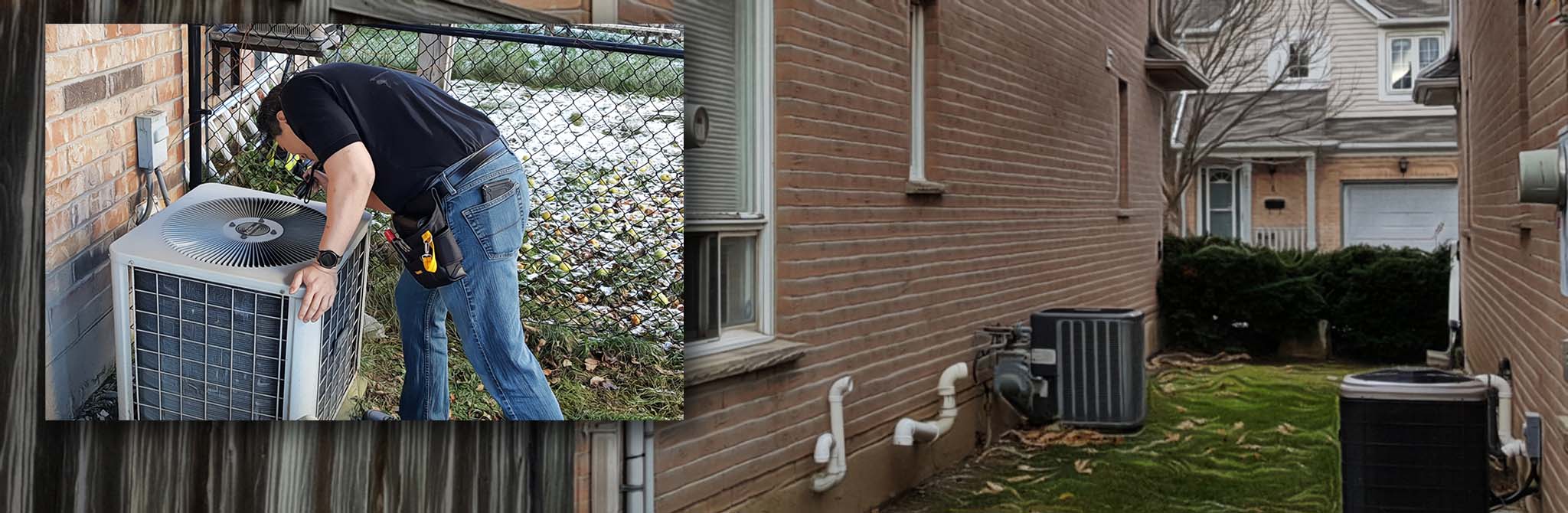
We use a "macro and micro" approach to evaluate the big picture and the fine details. This includes siding, visible parts of the foundation, grading, decking, porches, drainage, venting, electrical and the AC unit.
- The Garage: We include the garage in our exterior tour, providing a 3-point safety test of the automatic door opener.
- Water Management: Our primary focus is on identifying water penetration issues and ensuring water is being diverted properly away from the structure.
-
Electrical
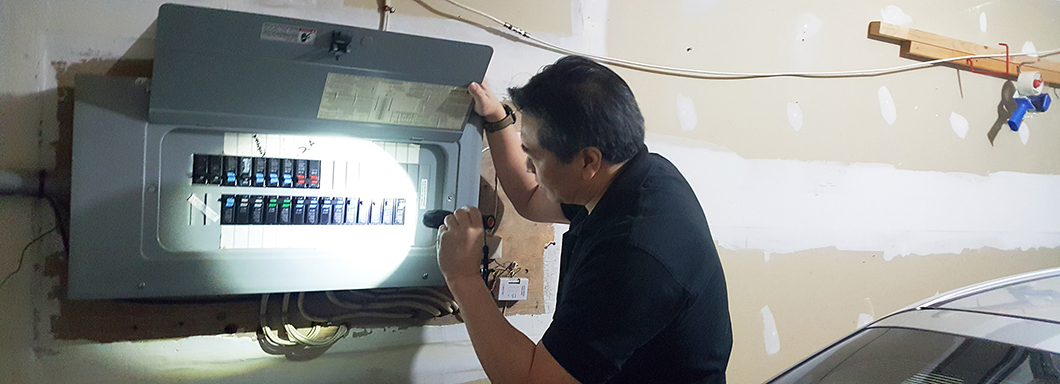
The electrical panel is the "heart" of the home. We open the panel to inspect for proper breakers, wiring, and connections, while looking for signs of overheating or damage. We explain to clients which breakers are connected to each appliance, as well as the importance of special breakers such as ground fault and arc fault breakers.
- Aluminum Wiring: We specifically look for aluminum wiring. We understand that its presence can be a concern for homeowners, and we are happy to discuss the condition and potential solutions with you.
-
HVAC (Heating & Cooling)
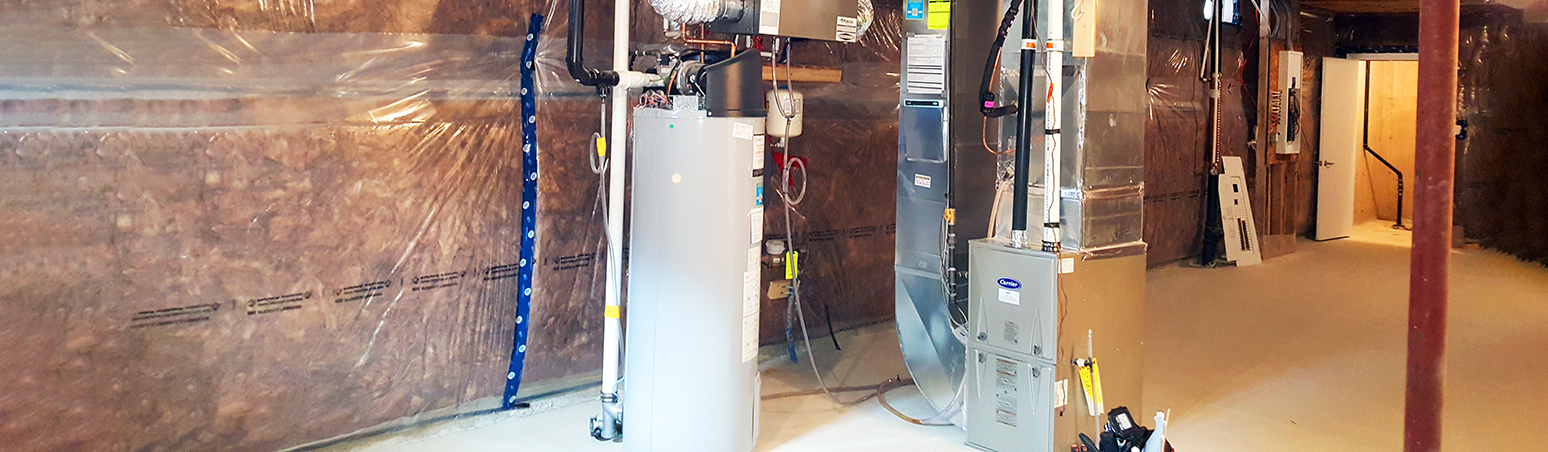
Because furnace and air conditioner replacements are high-cost items, we prioritize these systems. We determine the age of the units to help you understand if a replacement is needed sooner or later. We remove the furnace cover to examine the interior components, ensuring the system is functioning safely and efficiently. We check for proper drainage for the HVAC system. We also look for other devices such as humidifiers and Heat Recovery Ventilators (HRV's).Since the water tank is located with the HVAC system, we inspect the water tank and check its age to inform clients if they may need to replace it in the future.
-
Interior & Plumbing
We move through the interior, starting from the basement and working our way up.
- Operation: In every room, we test a sampling of windows, all doors, and as many electrical receptacles as possible.
- Structure: We examine the interior structure for cracks in walls or ceilings and check floors for levelness or damage.
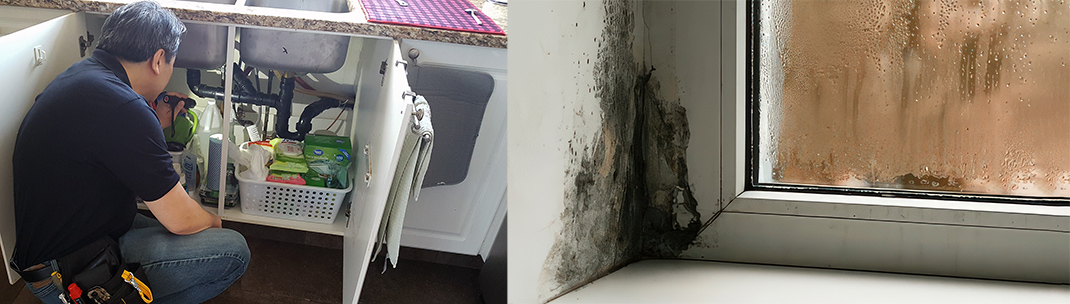
- Plumbing: In kitchens and bathrooms, we test fixtures for leaks and proper drainage.
- Stairs: We check for safety issues for all stairs. Missing handrails? Trip hazard? Incorrect guardrails?
- Mould: We stay vigilant for any signs of mould, as we know this is a top priority for our clients.
-
Attic/Crawl Space
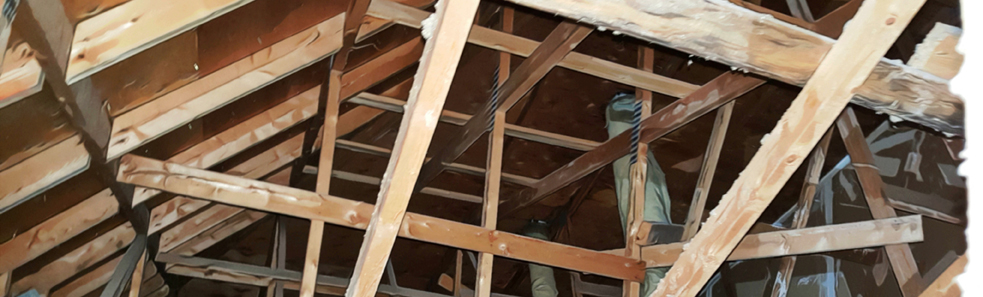
The final stage involves the attic and any crawl spaces. We observe the roof structure and insulation levels. Because these are common areas for moisture issues, we perform a thorough check for mould.
- Note: Most attic inspections are completed from the hatch, which may limit access to certain areas.
-
IR Thermal (FREE Add-on)
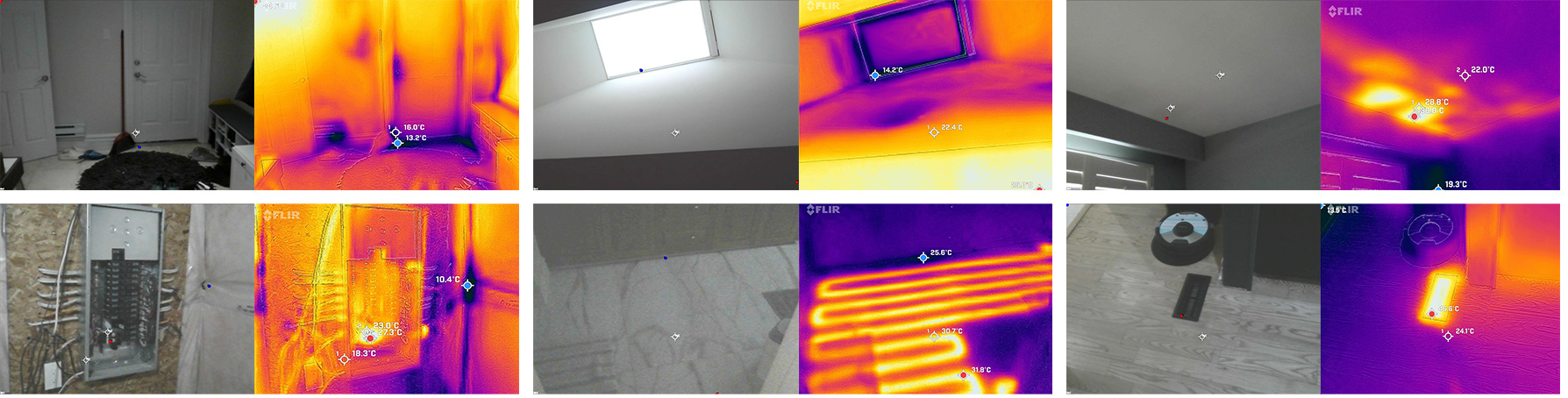
As a bonus, we include a Free Infrared (IR) Thermal Inspection. This adds about 20 minutes to the process. After the standard walk-through, we scan the interior with an IR camera alongside you. You can see the display in real-time while we explain the findings. This technology reveals "invisible" issues such as air leaks, insulation gaps, hidden moisture, and electrical hotspots.
-
End Summary
After the visual home inspection is complete, we will meet with the client to discuss the most significant issues found in the house. We will review any red flags we have found with possible recommendations. It also provides a final opportunity for the client to ask questions and review the overall condition of the house.
-
Written Report
Our evaluation is then communicated through a detailed inspection report, which includes descriptions of all the systems in the home, potential issues found as well as any recommended improvements. We include a summary at the beginning to highlight more important issues. This will help you prioritize the improvements and develop a blueprint for your future home.
End of Day Report
You can view the report on your computer/tablet in PDF format at the end of the inspection day.
If you have questions after the inspection, you can feel free to call us.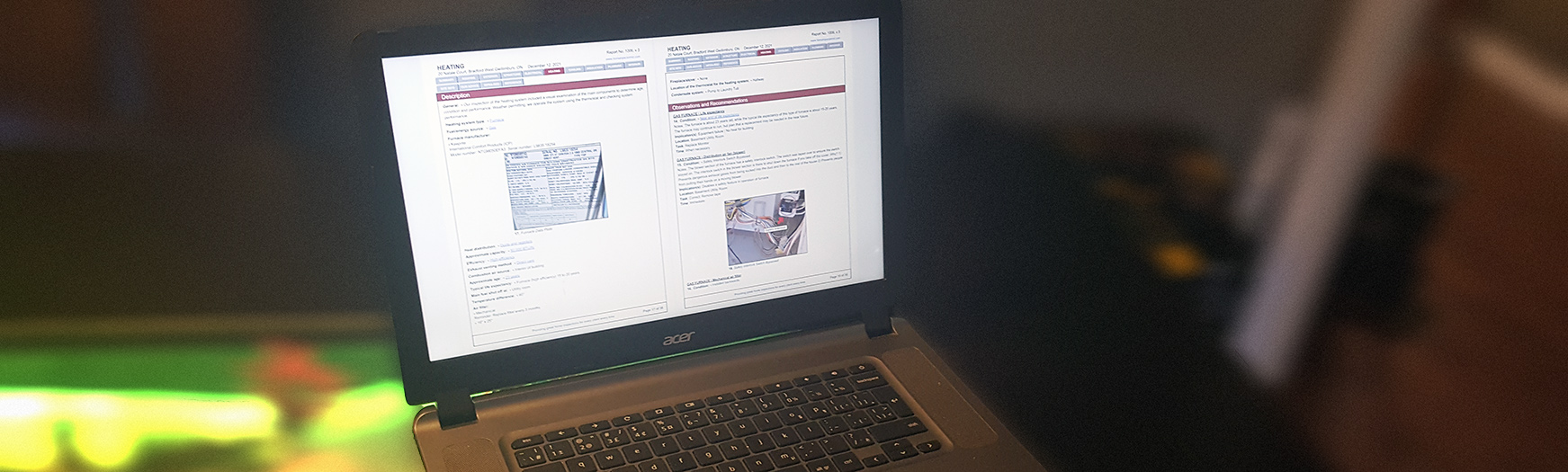
-
Ready for your first inspection?
Book CoachingCall us today at 416-275-5808 or book your inspection online.